

Universities
Teaching, research, and campus wellbeing
Develop courses, hands-on learning, student wellbeing programs, campus garden programs, and opportunities for research and community participation.
Explore University ProgramsFor universities and organizations
Just Listen to Nature helps universities and organizations turn gardens and outdoor spaces into practical programs for learning, participation, and wellbeing. Services can include curriculum design, pilot development, and help preparing your team to continue the program.
Programs built around people, plants, and place.
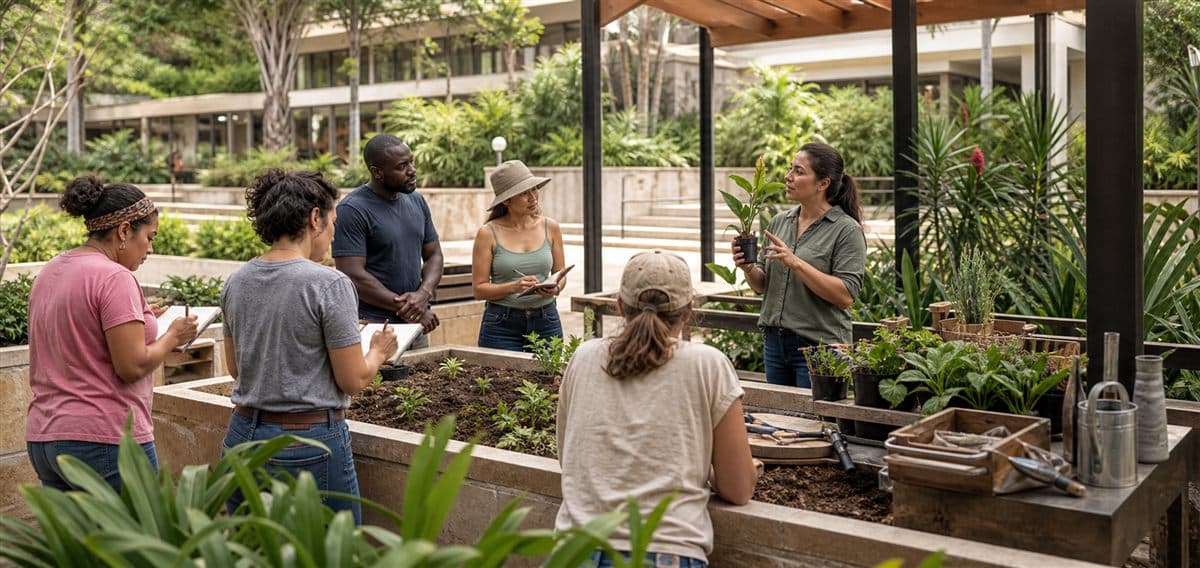
What can you do here?
Start with a practical need. The program, materials, project support, and relevant expertise can grow from there.
Build a lecture, pilot, course, or teaching-garden program.
02Start with a workshop, test a short series, or prepare your team to continue.
03Connect landscape design with the activities and programs the space should support.
04Show your work, find collaborators, and take part in relevant projects.
Move from an early idea to a program your team understands and can continue.
Two ways to work together
We help universities and organizations turn gardens, plants, and outdoor environments into places for learning, wellbeing, and participation.
Universities
Develop courses, hands-on learning, student wellbeing programs, campus garden programs, and opportunities for research and community participation.
Explore University ProgramsWorkplaces & organizations
Develop workshops, pilot programs, and staff-led horticulture activities that connect participation, wellbeing, and sustainability.
Explore Organizational ProgramsPeople + Plants + Place
A useful program connects the people taking part, the plant-based activities, and the place where it happens.
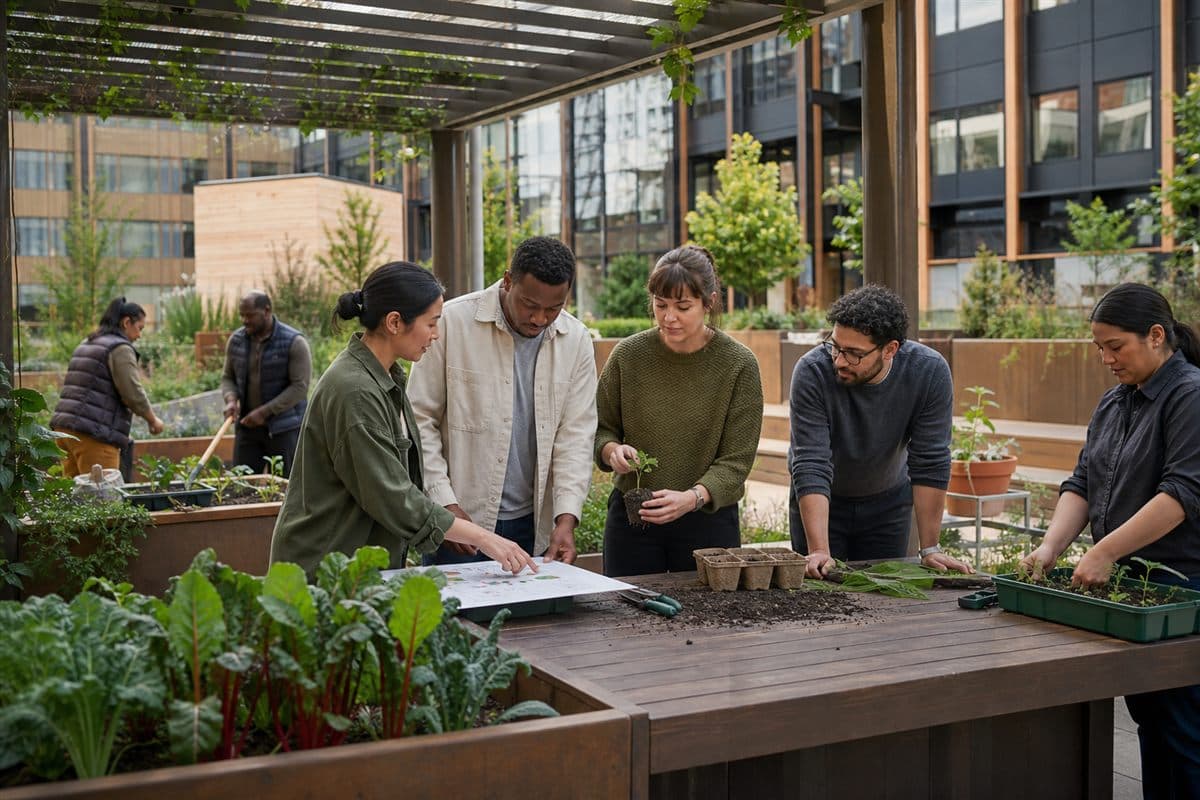
Who will take part, and what do they need from the experience?
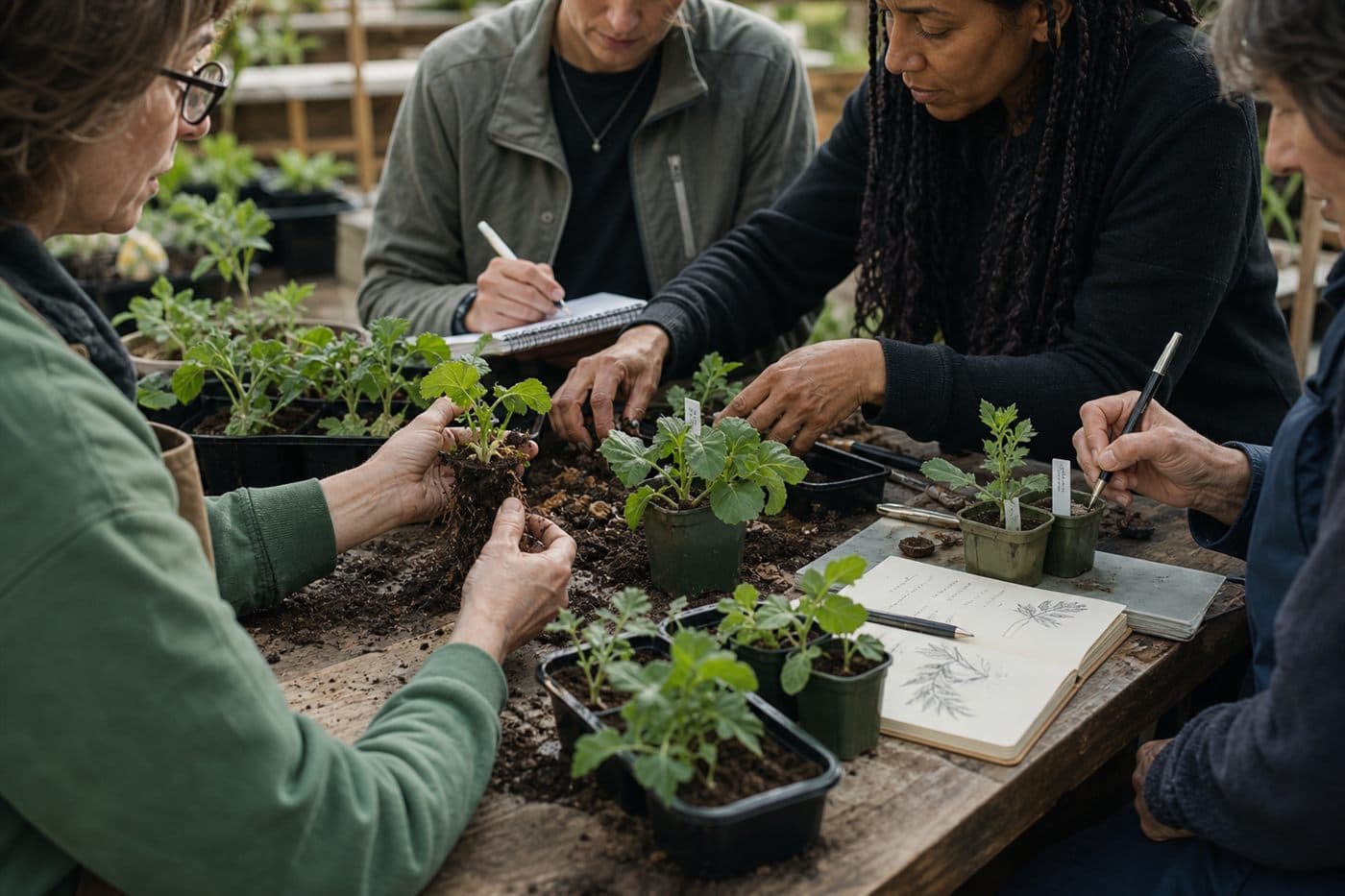
What will participants grow, observe, handle, or care for?
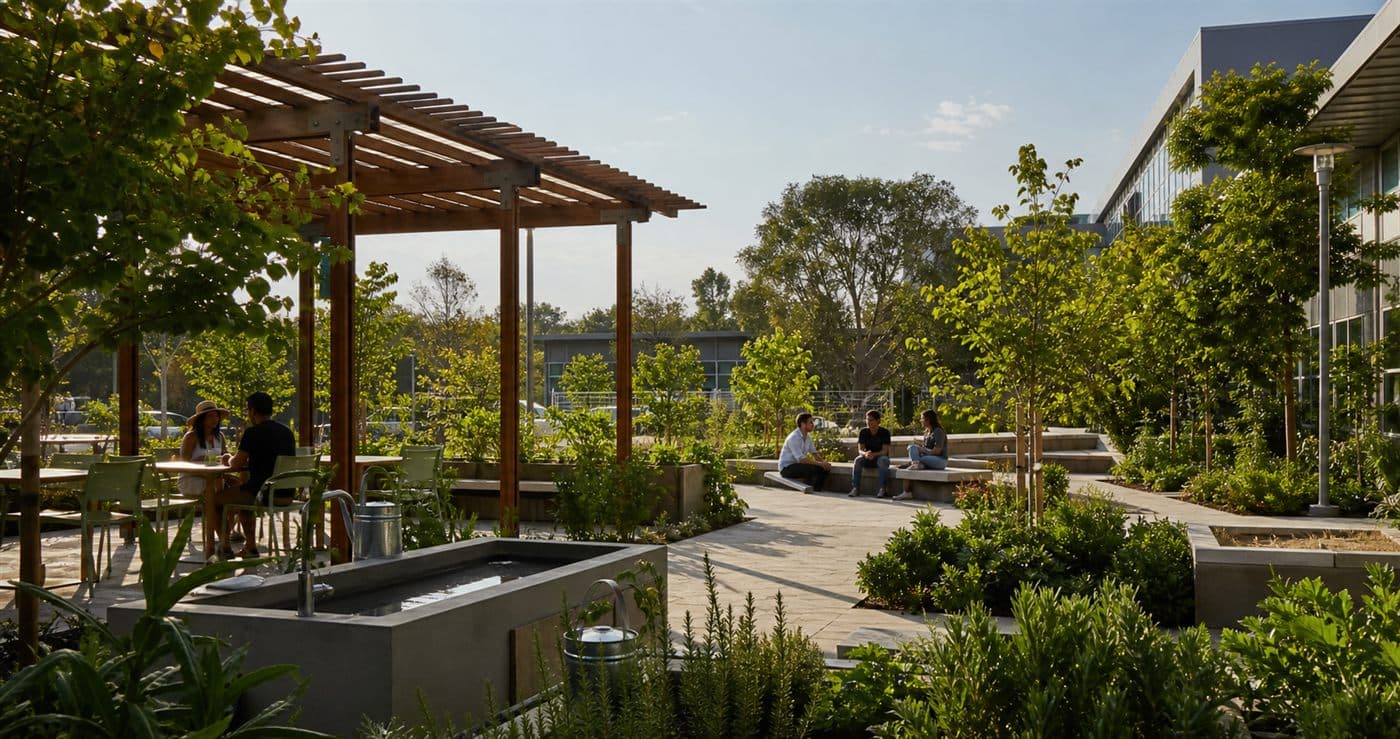
What can the setting safely and realistically support?
Designed for collaboration across disciplines
What we provide
Clarify who the program serves, what it should accomplish, and how it will work.
Create course outlines, workshop plans, and hands-on learning activities.
Define how plants, activities, and outdoor space will support the program.
Launch a small first version, learn what works, and refine the approach.
Prepare the people, materials, and practical plan needed to continue the program.
Beyond the garden
A successful nature-based wellbeing program needs more than a beautiful space. It needs useful activities, a clear purpose, and a plan the organization can continue.
Just Listen to Nature helps universities and organizations move from an outdoor-space idea to a purposeful program for learning, participation, or wellbeing.
People, Plants & Place Network
The People, Plants & Place Network helps organizations describe a real project and connect with professionals whose knowledge fits the need.
Frequently asked questions
No. A project can begin with an existing garden, an underused outdoor area, or a proposed future space.
Yes. A small pilot can show how people respond, what the team needs, and whether a larger program makes sense.
Most projects are educational or organizational rather than clinical. Clinical horticultural therapy requires qualified professionals and an appropriate treatment setting.
A focused first step
A focused pilot lets an organization learn what participants value, what the team needs, and whether a larger program makes sense.